

Balancing Cancer Control With Cardiac Risk
- Cardio-oncology is moving beyond the traditional model of simply identifying “cardiotoxic drugs.” In the immunotherapy era, the field is becoming increasingly centered on signaling biology, including how cancer therapies interact with immune pathways, how those same pathways protect or injure the heart, and why only certain patients develop cardiovascular toxicity.
- Pathway science, immune profiling, and sequencing are becoming increasingly important. Research into HLA/MHC patterns, T-cell receptor clonality, antigen recognition, and single-cell immune states may eventually help identify which patients are most vulnerable before toxicity occurs.
- The practical implication is collaboration. When cardiovascular toxicity emerges, the decision is rarely simply “stop or continue therapy.” The more useful question is how to balance cancer control, cardiac risk, treatment sequencing, monitoring, and possible rechallenge.
- Cardio-oncology, in this new era, is a discipline designed to help patients receive the most effective therapy possible while preserving cardiovascular health.
Cardio-oncology is moving beyond the traditional model of simply identifying “cardiotoxic drugs.” In the immunotherapy era, the field is becoming increasingly centered on signaling biology, including how cancer therapies interact with immune pathways, how those same pathways protect or injure the heart, and why only certain patients develop cardiovascular toxicity.
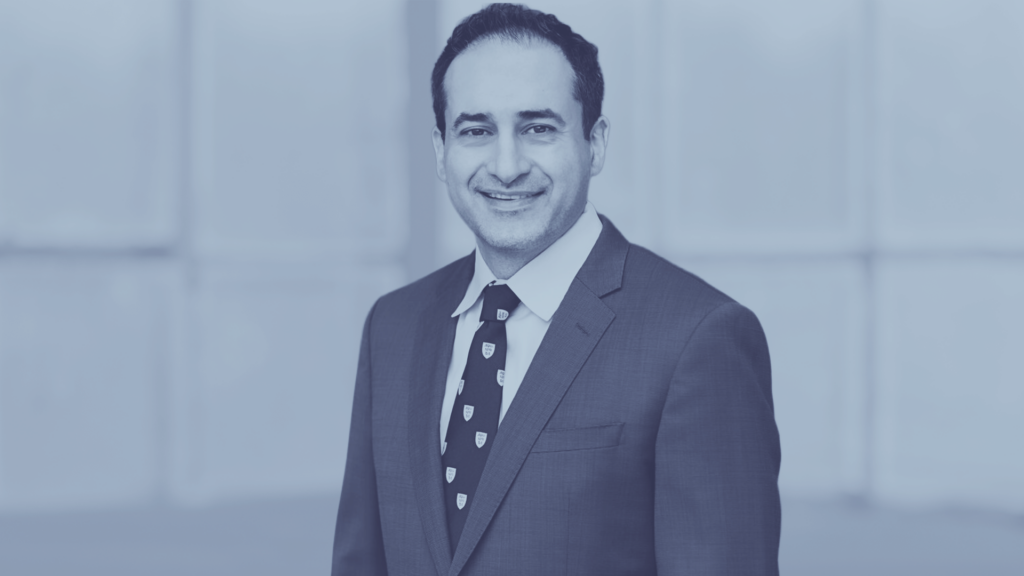
Cardio-oncology is often understood as “toxicities of cancer therapies to the heart,” but the field now extends far beyond that, Dr. Javid Moslehi, a cardio-oncologist and professor at UCSF, tells SurvivorNet Connect. With more patients surviving cancer, cardiovascular health has become a central part of long-term cancer care.
“We have a growing number of survivors in the world, and cardiac issues for those patients, and the patients getting the treatments, become absolutely paramount,” Dr. Moslehi adds.
Cancer Targets With Cardiac Consequences
Immune checkpoint inhibitors, including PD-1, PD-L1, CTLA-4, and newer LAG-3–directed strategies, have changed oncology by allowing the immune system to recognize and attack cancer more effectively. However, those same pathways are also involved in maintaining immune tolerance in normal tissues, including the heart.
“The point of immune therapies, the immune checkpoint inhibitors, is to wake up the immune system in the fight against cancer,” Dr. Moslehi explains. “It uses your own body’s immune system to become active. Occasionally, you can have friendly fire.”
That “friendly fire” can take the form of myocarditis, an inflammatory injury of the heart muscle. Unlike anthracycline cardiomyopathy, which typically presents as heart failure due to direct myocardial injury, checkpoint inhibitor myocarditis is fundamentally immune-mediated. The myocardium becomes a target of activated immune cells.
This distinction matters clinically. Myocarditis can present with chest pain, dyspnea, arrhythmias, conduction disease, elevated troponin, or acute heart failure. It may also occur early after treatment initiation and can be severe, even though it affects only a small subset of patients.
A ‘Failure of Immune Tolerance’
A practical way to think about immune checkpoint myocarditis is as a failure of immune tolerance. Checkpoint pathways normally help restrain T-cell activity. When those brakes are released, antitumor immunity may improve, but in susceptible patients, immune cells may also attack the heart.
A central question, Dr. Moslehi explains, is why this happens in some patients and not others.
“We are doing a lot of research to try to understand why myocarditis occurs in some patients,” he says. “What are the risk factors for developing myocarditis? What in the heart do those T cells or immune cells recognize that go there?”
This is where pathway science, immune profiling, and sequencing become important. Research into HLA/MHC patterns, T-cell receptor clonality, antigen recognition, and single-cell immune states may eventually help identify which patients are most vulnerable before toxicity occurs.
For oncologists, this is the cardio-oncology equivalent of precision medicine. The same checkpoint regimen may be safe for one patient and dangerous for another not because the drug is different, but because the host immune context is different.
JAK/STAT Signaling & Treatment Opportunities
The JAK/STAT pathway is another important area of investigation. JAK proteins help transmit cytokine signals between immune cells. In inflammatory myocarditis, this matters because immune injury is driven by T-cell activation and sustained by cytokine networks and immune-cell communication.
“JAKs are signaling pathways that allow different cells to communicate to each other, especially immune cells,” Dr. Moslehi explains. “If you give a JAK inhibitor, you automatically hit a bunch of different immune crosstalks at the same time.”
His group is studying how JAK inhibition may be used alongside more specific T-cell-directed therapies to treat myocarditis, including checkpoint inhibitor myocarditis. The challenge is selectivity. Broad immunosuppression can reduce inflammation, but it may also affect antitumor immunity or increase infection risk. The next step is to understand which parts of the pathway are most relevant to cardiac inflammation.
“You don’t want to give something that hits all of them,” he says. “So we want to be selective.”
Monitoring: Translating Biology Into Practice
Despite the complexity of the signaling biology, the clinical approach must remain practical. Baseline cardiovascular assessment can be useful before therapies known to carry cardiac risk.
Depending on the treatment and patient profile, this may include:
- Echocardiography
- ECG
- Troponin
- Natriuretic peptides
- Close clinical follow-up
For anthracyclines, patients with preexisting left ventricular dysfunction may require closer monitoring and guideline-directed heart failure therapy. For immune checkpoint inhibitors, clinicians must remain alert for myocarditis, arrhythmias, pericarditis, vasculitis, and possibly longer-term vascular effects.
Importantly, the goal is not to unnecessarily restrict cancer therapy.
“My job as the cardio-oncologist is for the cancer doctor to give the best treatment that exists and let me worry about the heart problems,” Dr. Moslehi adds.