


 Online Video Conference



Published Oct 8, 2025
Clinical Decision Making In A Bold New Era of Glioma Treatment, What’s Next For Targeted Therapy: ASTRO 2025


Explore this Program
A year after its approval, a panel of experts discusses the breakthrough benefits of Vorasinedib, debate questions surrounding how best to combine this treatment with existing therapies, as well as the unanswered questions surrounding its long-term effects.
 Online Video Conference
HEADLINE
It’s a pivotal moment in the fight against glioma. One year after the FDA approved Vorasidenib—the first targeted therapy for IDH-mutant grade 2 diffuse gliomas—the country’s leading experts are still learning and evaluating who should receive the drug, when in the treatment journey, and what the implications are for outcomes.
In a deep-dive discussion led by SurvivorNet CEO Steve Alperin, the panel explored how Vorasidenib is reshaping the journey for a growing number of patients, when and how to best integrate it into treatment pathways, and the critical questions that remain about its long-term effects.
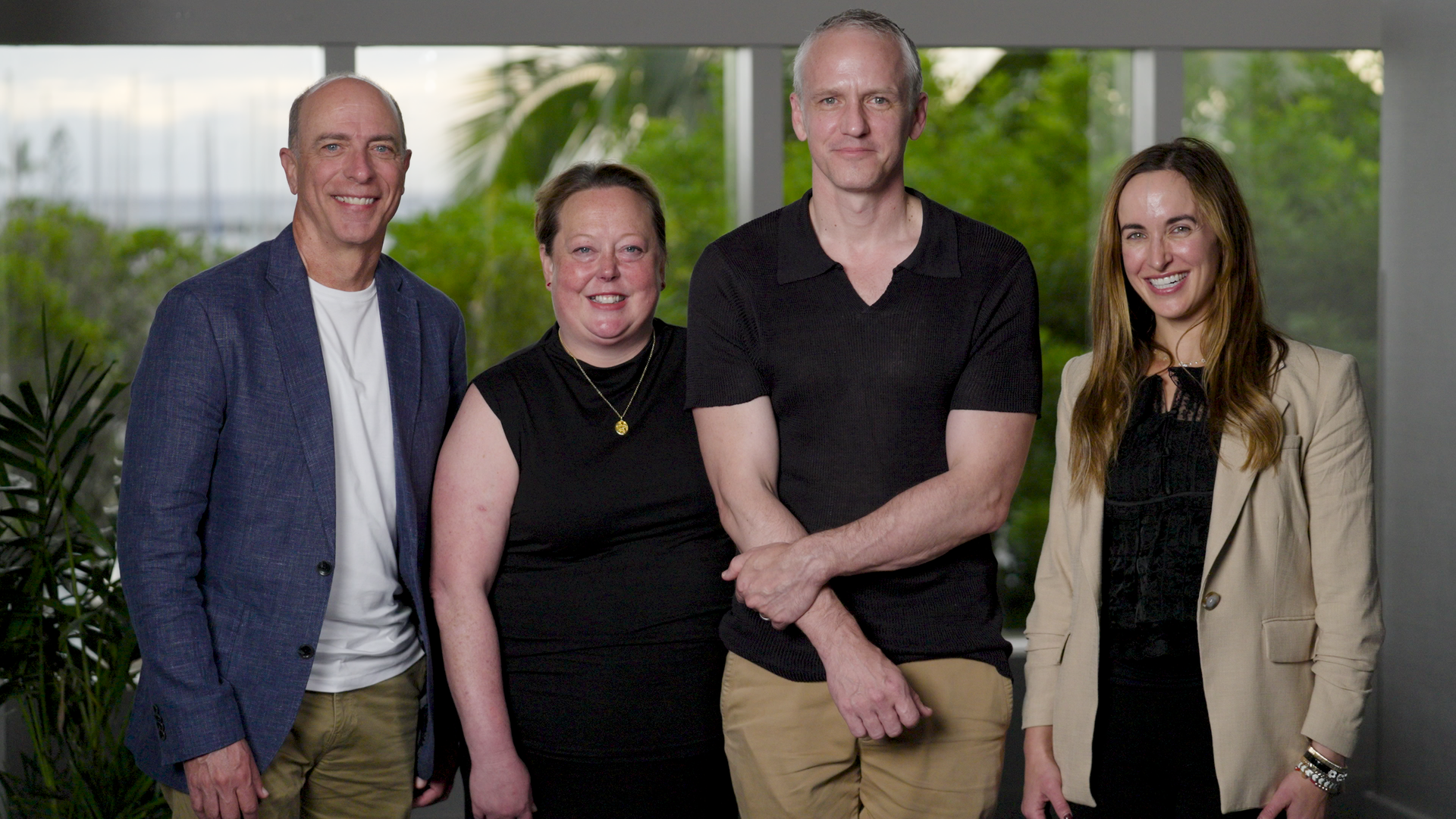
Panelists:
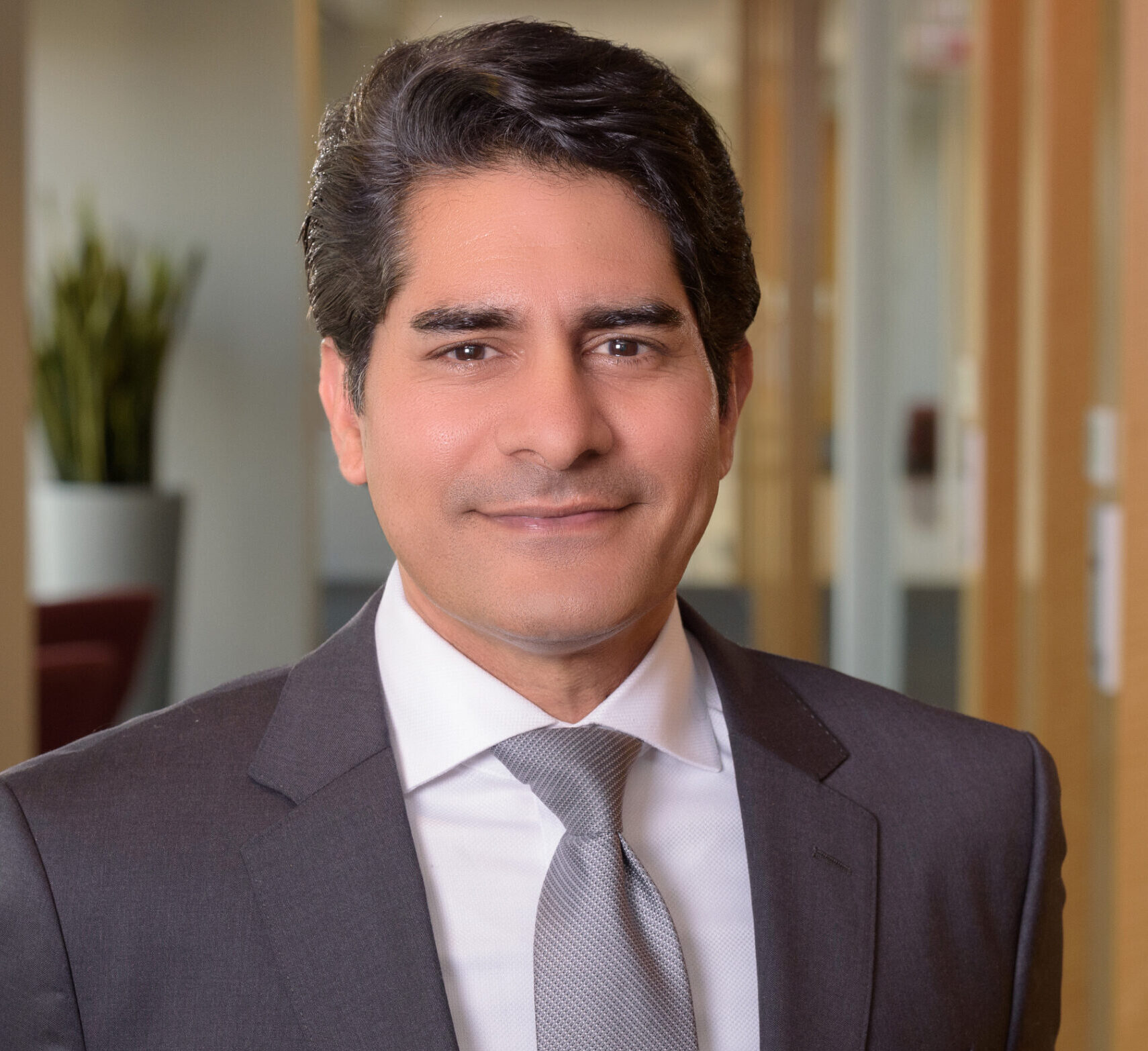
Dr. Bobby Mukkamala
Dr. Bobby Mukkamala is the President of the American Medical Association and a glioma survivor (a low-grade IDH-mutant astrocytoma). He brings a unique perspective as both a doctor (otolaryngologist) and a brain cancer patient.

Dr. Jennie Taylor
Dr. Jennie Taylor is a neuro-oncologist and a member of the UCSF Brain Tumor Research Center. She is involved in developing new treatment strategies, innovative imaging techniques and comprehensive tumor analyses, with the goal of improving outcomes for patients with brain tumors.
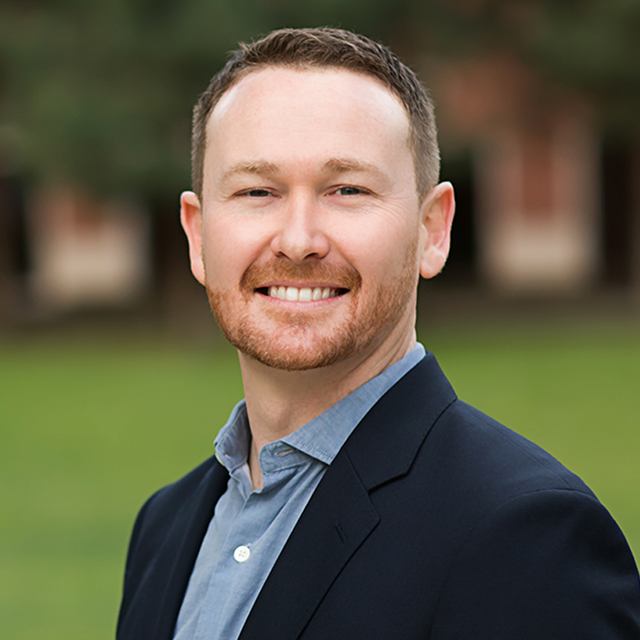
Dr. David Raleigh
Dr. David Raleigh is a radiation oncologist at UCSF and specializes in the treatment and investigation of central nervous system tumors in adult and pediatric patients.
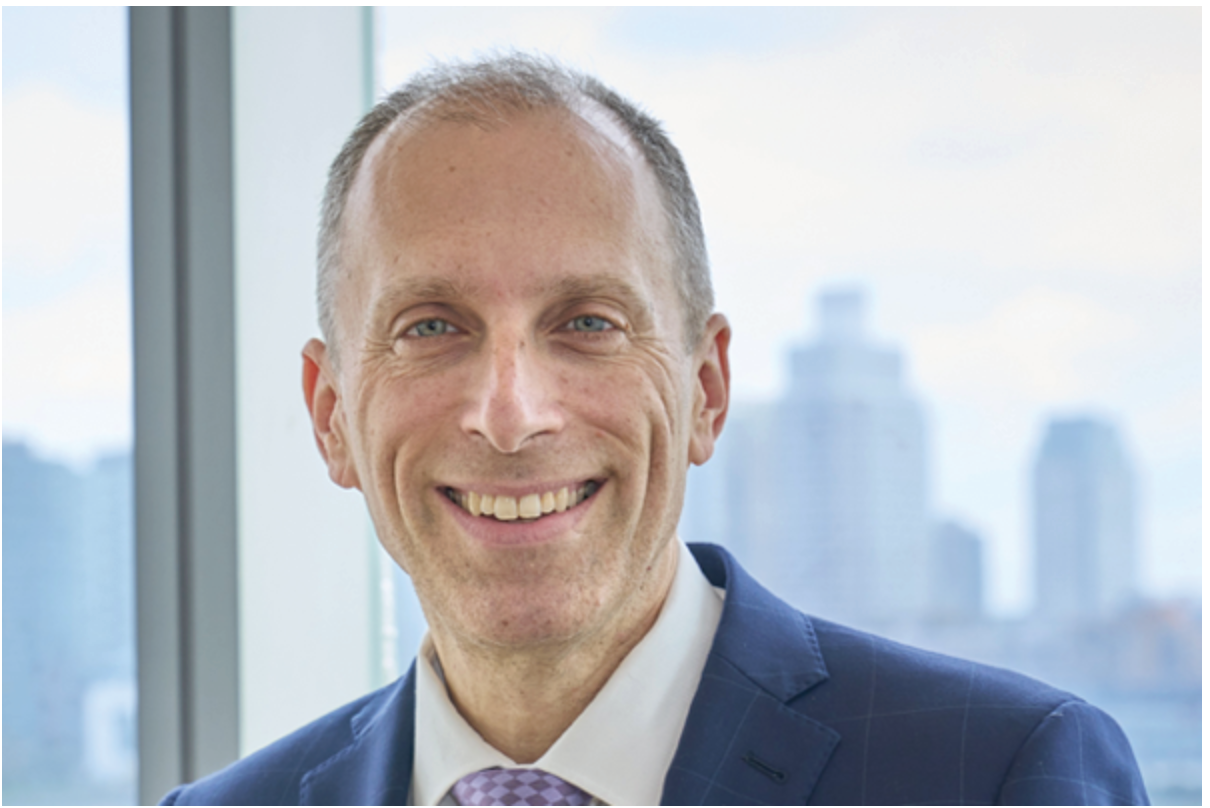
Dr. Erik Sulman
Dr. Erik Sulman is the Chair of the Department of Radiation Oncology at Duke University Medical Center. His research focuses on overcoming radiation resistance in glioblastoma, developing targeted therapies, and identifying molecular predictors of treatment response.
Summary
Making Treatment Decisions In The New Era of Glioma
Glioma experts assessing the holistic impact of targeted therapy are learning which patients should receive the treatment, and when. The panel emphasized the importance of shared decision-making with patients.
Experts stressed the importance of personalized decision-making, pointing out that long-term outcomes and survival benefits of Vorasidenib remain uncertain due to significant crossover from placebo to the drug in the INDIGO trial—making overall survival data harder to interpret.
Dr. Mukkamala, an otolaryngologist and the president of the American Medical Association, gives his personal account of getting diagnosed with a grade two astrocytoma and his perspective as a doctor who became a patient.
Topics Covered
- One Year After Approval of Targeted Therapy: With Vorasidenib now more available, what have doctors learned since this treatment became more widely used?
- Evaluating Candidates for Targeted Therapy: What qualifies a patient as a candidate for Vorasidenib? How do you navigate the gray areas?
- How Targeted Therapy Impacts the Timing of Cytotoxic Therapy : How do you sequence the timing of targeted therapy and/or combine it with other treatment options?
- Researching Long Term Effects of Inhibitors: Since data is limited on the long-term effects of targeted therapy, how will we learn more about the lingering impacts of treatment on the biochemistry of the body?
- Improving Shared Decisions Making: With so many uncertainties surrounding targeted therapy, how do you communicate and support your patients living through uncertainty?
Check out SurvivorNet Connect’s glioma page for a more in-depth break-down of the topics covered in this conference.


