Published Jun 9, 2026
Vorasidenib Delivers 44‑Month PFS — Yet Clinicians Warn the Hard Decisions Are Still Ahead


Explore this Program
Vorasidenib’s updated INDIGO data pushed progression‑free survival past 44 months, even as experts grappled with the tougher unanswered questions, including when to start, how long to treat, and how factors like seizures and fertility shape care for younger patients with IDH‑mutant glioma.


 Online Video Conference
ASCO 2026 Glioma Panel: New Data, Ongoing Debate
Updated results from the INDIGO trial presented at this year’s American Society of Clinical Oncology (ASCO) annual meeting further reinforced the role of vorasidenib in IDH-mutant glioma. When SurvivorNet convened a panel of leading neuro-oncologists to discuss the findings, the conversation moved quickly toward a more complicated reality.
As the evidence matures, the most consequential clinical questions remain unanswered.
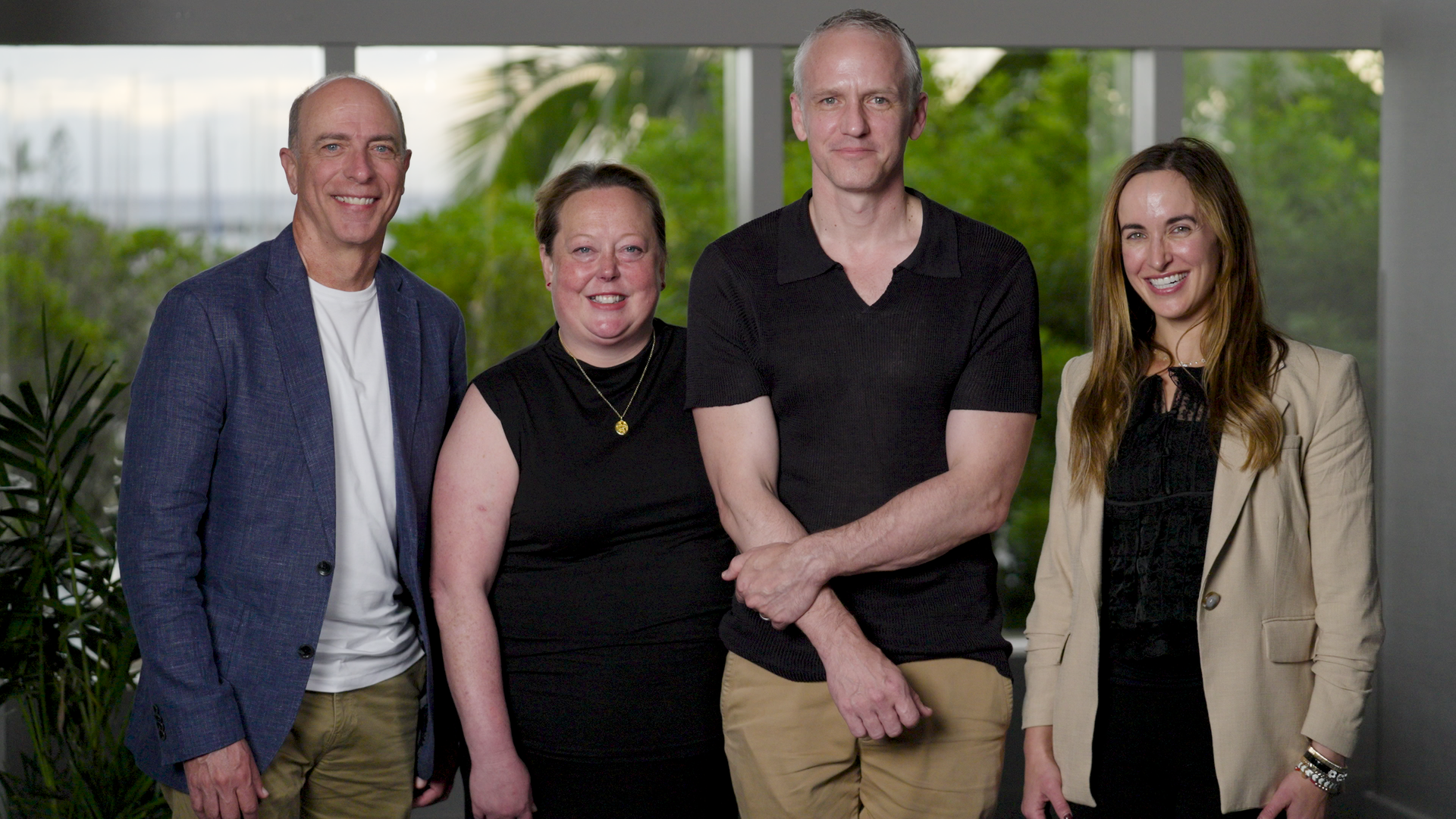
Moderated by Dr. Rimas Lukas of Northwestern University, the panel featured: Dr. Heather Leeper, Dr. Nicolas Gonzalez Castro, and Dr. Omar Butt.
All agreed that the updated data’s progression-free survival now extends to 44.1 months, strengthening confidence in IDH inhibition. But the central debate centered around when the right time to intervene is.
Surgeons remove what can be seen, yet diffuse gliomas extend well beyond MRI-visible margins, and no trial has yet answered whether to treat a younger person with no visible residual disease.
Topics Covered
- Vorasidenib (IDH inhibitor) updated data — the Indigo trial’s evolving PFS numbers and what they mean for when to start, stop, and eventually combine the drug in IDH-mutant glioma patients
- Seizure control as a treatment outcome — whether IDH inhibition is meaningfully reducing seizures, what the data limitations are, and the neuroscience behind tumor-driven epilepsy
- Targeted therapy in pediatric and young adult gliomas — the wave of recent FDA approvals (dordaviprone for H3K27M, tovorafenib for BRAF-altered tumors) and how to manage these drugs in practice
- Practical clinical debates — when to start vorasidenib post-resection in young patients, fertility considerations, and whether the field is seeing true revolution or steady evolution
- What’s new in glioblastoma treatment — reviewing emerging immunotherapy approaches from ASCO 2025, including personalized neoantigen vaccines and CAR T-cell therapy, and where they stand vs. clinical readiness
- Cesium-131 tiles in brain metastasis — the RHODES phase III trial results and whether intraoperative brachytherapy is ready to challenge SRS as the post-resection standard
Check out SurvivorNet Connect’s glioma page for a more in-depth breakdown of the topics covered in this conference.
 Online Video Conference