Published Dec 4, 2025
SNO 2025: New Frontiers and Challenges In Glioma Treatment


Explore this Program
At the 2025 SNO Annual Meeting, momentum in IDH‑mutant glioma treatment was undeniable, with faster progress from expanded use of IDH inhibitors in Grade 2 disease to practice‑defining Phase 3 STELLAR trial results in recurrent Grade 3 astrocytoma; experts emphasized the importance of molecular testing and highlighted vorasidenib’s growing impact, fueling cautious optimism.


 Online Video Conference
HEADLINE
SurvivorNet returned to the 2025 Society for Neuro-Oncology (SNO) Annual Meeting, where momentum in IDH‑mutant glioma treatment continued to grow.
Strategies are advancing faster than in recent years—from the expanding role of IDH inhibitors in Grade 2 disease to practice‑defining results from the Phase 3 STELLAR trial in recurrent Grade 3 astrocytoma.
This year’s meeting carried a tone of cautious optimism, fueled by more precise tools and clearer therapeutic direction. In a featured panel, experts underscored the importance of molecular testing. They highlighted how vorasidenib is reshaping care for a growing population of glioma patients, including those with more advanced disease.
Panelists:
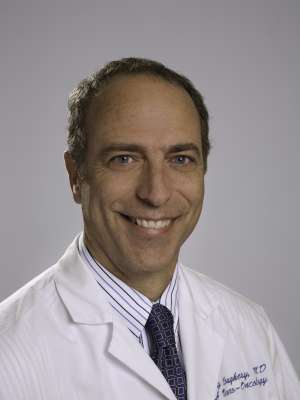
Dr. Timothy Cloughesy
UCLA Health Dr. Timothy Cloughesy’s research focuses on clinical trials in brain cancer using targeted molecular therapies with a novel clinical trial design. He has developed a brain cancer bioinformatics database that combines clinical outcomes, imaging, and molecular analysis to enhance translational research.
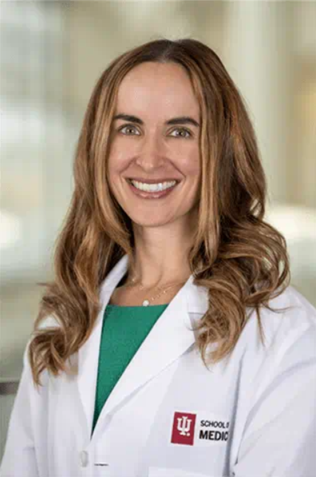
Dr. Kathryn Nevel
Indiana University School Of Medicine Dr. Kathryn Nevel is a board-certified neurologist and neuro-oncologist who specializes in the care of patients with primary and metastatic brain and spinal cord tumors, neurologic complications of cancer, and paraneoplastic syndromes.
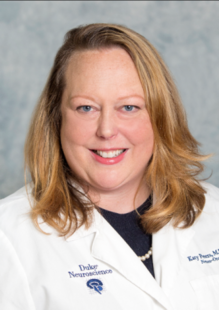
Dr. Katherine Peters
Preston Robert Tisch Brain Tumor Center at Duke University Dr. Katherine Peters, is a neurologist and cancer doctor who treats brain tumors and researches ways to improve the quality of life for brain tumor patients.
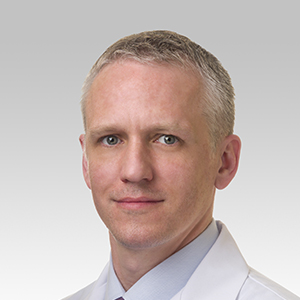
Dr. Rimas V. Lukas
Northwestern University Feinberg School Of Medicine Dr. Lukas, sub-specializing in neuro-oncology, is interested in the care of patients with primary brain tumors and spinal cord tumors as well as central nervous system (CNS) metastases. Dr. Lukas’s research centers on clinical trials in neuro-oncology.
Summary
Making Treatment Decisions In The New Era of Glioma
As part of SurvivorNet Connect’s ongoing special series “Cancer Dialogues”, four of the nation’s leading neuro-oncologists gathered in Honolulu to discuss timely momentum in the treatment of glioma, as well as remaining questions about who gets treated and when. Moderated by UCLA’s Dr. Timothy Cloughesy, the panel covers everything from the expanded use of IDH inhibitors like vorasidenib beyond current indications to the promise of ONC-201 (now known as dordaviprone ) in the treatment of more aggressive midline gliomas. From the practicality of how ultrasound is being used to disrupt the blood-brain barrier, to how A.I. is becoming a more prevalent tool in the resection and mapping of brain tumors, this lively discussion, at times a debate, is an important one for anyone invested in the current and future state of brain cancer treatment.
Topics Covered
- IDH Inhibitor Shows Stronger Evidence of Disease-Free Progression and Fewer Seizures: With fresh data in hand, has vorasidenib made a real difference in glioma care over the past year?
- Potential of IDH Inhibitors for Grade 3–4 Glioma: Under what circumstances could vorasidenib become an option for patients facing grade 3 glioma?
- ONC-201’s Promise and What We Still Don’t Know: While ONC-201 shows promise in aggressive gliomas, what evidence supports its role in first-line treatment?
- OPTUNE After 10 Years: The Trident Trial’s Impact: After ten years of clinical application, how long should patients continue tumor treating fields therapy?
- Balancing Realism and Optimism in Patient Support in Glioma Care: How can clinicians balance optimism about treatment with the realities of a patient’s diagnosis while providing both medical care and emotional support?
Check out SurvivorNet Connect’s glioma page for a more in-depth breakdown of the topics covered in this conference.

 Online Video Conference