

Top Takeaways From Society for Neuro-Oncology 2025 Conference
- Glioma experts at the 2025 SNO Conference highlight that treatment strategies for IDH-mutant gliomas are moving faster than we’ve seen in years, from expanding use of IDH inhibitors in Grade 2 disease to practice-shaping data from the Phase 3 STELLAR trial in recurrent Grade 3 astrocytoma.
- Molecular testing is considered the standard of care (something all patients need and should get) when diagnosing and treating gliomas. Gliomas can either have a normal IDH gene (known as IDH wild-type) or carry the IDH mutation.
- Doctors are no longer waiting only for radiographic progression to implement treatment adjustments. Dr. Rimas Lukas described a subtle but important clinical change, such as a minor worsening in scans that quickly progress into a flurry of seizures, may now call for a targeted therapy, an IDH inhibitor, as opposed to more anti-seizure medications.
- Doctors and researchers showed how artificial intelligence (AI) tools are no longer simply automating parts of care, but are beginning to connect the dots: pathology, radiology, molecular sequencing, and clinical trials, all linked by intelligent systems.
SurvivorNet was on the ground again this year at the 2025 Society for Neuro-Oncology (SNO) Annual Meeting in Honolulu, sitting in packed conference rooms, speaking with leading experts, and hosting in-depth conversations about where glioma treatment is headed.
One thing became clear over the course of the meeting: treatment strategies for IDH-mutant gliomas are moving faster than we’ve seen in years.
From expanding use of IDH inhibitors in Grade 2 disease to practice-shaping data from the Phase 3 STELLAR trial in recurrent Grade 3 astrocytoma, this year’s SNO meeting felt different: there was a sense of cautious optimism, supported by more precise tools and clearer direction.
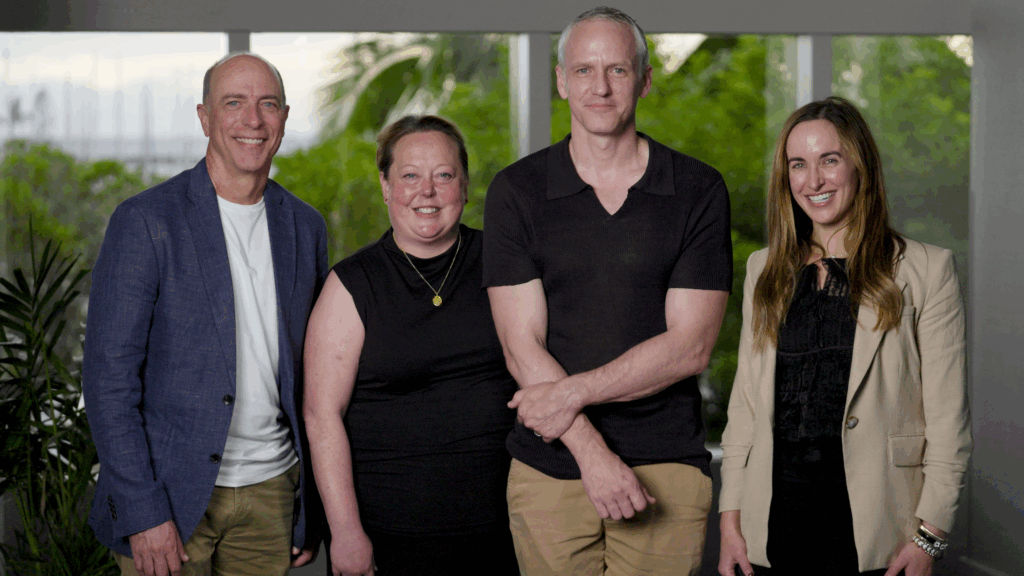
To help break it all down, SurvivorNet convened a special panel of national leaders in neuro-oncology for a special edition of Cancer Dialogues: New Frontiers and Challenges in Glioma Treatment, moderated by Dr. Timothy Cloughesy, professor of neurology at the David Geffen School of Medicine at UCLA and Director of UCLA’s Neuro-Oncology Program.
Dr. Cloughesy discussed late-breaking news with top experts from across the nation, including Dr. Katherine Peters, a professor of neurology and neurosurgery at the Preston Robert Tisch Brain Tumor Center at Duke University, Dr. Rimas V. Lukas, neuro-oncologist at the Northwestern University Feinberg School of Medicine, and Dr. Kathryn Nevel, neuro-oncologist at Indiana University.
Here’s what mattered most and why it matters to patients and families.
Molecular Testing Is No Longer Optional
One recurring SNO topic: without molecular profiling, doctors are flying blind.“It’s definitely the moleculars,” says Dr. Peters. “My plug for the moleculars and for our community is that to understand the genetic characteristics and to better prognosticate for our patients, we need those outcomes faster and more homogeneous than what we have right now. It can take weeks and weeks to get that back and then to call a patient on the phone and be like, well, by the way, we thought it was this, but now this is not.”
Molecular testing is considered the standard of care (something all patients need and should get) when diagnosing and treating gliomas. Gliomas can either have a normal IDH gene (known as IDH wild-type) or carry the IDH mutation.
A Key Shift: Timing Treatment Based on Symptoms
Vorasidenib (brand name Voranigo) was FDA-approved a little over a year ago, and physicians across major cancer centers have spent countless hours in tumor boards discussing who should receive this new therapy and when to introduce it.
Dr. Rimas Lukas described a subtle but important clinical change that many patients won’t see written into guidelines yet. “When I see someone whose scans are only a little worse, but suddenly there’s a flurry of seizures, that now makes me pause and think maybe it’s time to start an IDH inhibitor,” he said, explaining that in the past, he might have simply increased anti-seizure medications instead of moving toward targeted therapy.
This reflects a bigger theme from SNO 2025: doctors are no longer waiting only for radiographic progression. They are listening more closely to the patient’s lived experience.That detail matters. Fewer seizures are not just a “data point”; it’s a quality of life.
STELLAR Trial: Real Survival Gains for Recurrent IDH-Mutant Astrocytoma
One of the biggest moments of the meeting was the discussion around the Phase 3 STELLAR study, which focused on patients with recurrent Grade 3 IDH-mutant astrocytoma.This is a very specific, molecularly defined group of patients (exactly the kind of precision medicine approach that modern neuro-oncology is moving toward).
The trial tested a combination of Eflornithine (an oral polyamine synthesis inhibitor) plus Lomustine (brand name Gleostine – a well-known chemotherapy used in brain tumors) compared to patients taking Lomustine alone.
What the results showed:
- Overall Survival (OS): how long patients live after starting treatment, no matter what happens to the tumor. Combination arm: 28.5 months. Lomustine alone: 22.3 months.
- Progression-Free Survival (PFS): how long patients live without the cancer growing or getting worse. Combination arm: 12.3 months. Lomustine alone: 7.3 months.
This study showed that adding eflornithine to regular chemotherapy helped some patients with a specific type of recurrent brain tumor (IDH-mutant astrocytoma) live longer and go longer without the tumor growing compared to chemotherapy alone.
The AI Revolution in Glioma Care: More Than a Buzzword
During the meeting, doctors and researchers showed how AI tools are no longer simply automating parts of care, but are beginning to connect the dots: pathology, radiology, molecular sequencing, and clinical trials, all linked by intelligent systems.In glioma care specifically, this means:
- Better ability to use imaging (like MRI) not just for pictures, but as data: to predict how aggressive a tumor is, or whether it’s likely to respond to a given therapy.
- Faster integration of molecular test results into decisions. AI-enabled tools can help flag which patients are likely to benefit from, say, an IDH inhibitor or a novel trial.
- Supporting the tumor board with “digital assistants” that bring together radiology, molecular pathology, and even clinical trial matching in real time.
How AI Is Changing Brain Tumor Imaging (Neuroimaging)
Another fascinating session at SNO 2025 focused on something many patients never hear about: how artificial intelligence is transforming the way doctors “see” brain tumors on scans. This isn’t about replacing doctors. It’s about helping them see more clearly.Experts walked through the difference between AI, machine learning, and deep learning in simple terms. The key idea is that deep learning can study thousands of brain images and start to recognize patterns that are simply invisible to the human eye.This is the heart of a field called radiomics. Instead of looking at an MRI as just a picture, AI can turn every scan into layers of data about texture, shape, density, and subtle changes inside the tumor.AI-based imaging is already helping specialists:
- Distinguish tumor growth from treatment effects
- Predict molecular tumor features (radiogenomics)
- Detect and outline tumors automatically
- Model prognosis and treatment response
Researchers were also realistic. These tools are promising, but bringing them into everyday clinics still requires explainable AI, larger multi-center datasets, and transparent evaluation.The final takeaway was simple and powerful: AI should be a partner in care, not a competitor.
As Dr. Nevel noted during the panel with SurvivorNet, “ultimately it’s your patient’s choice,” she said. But AI can help make that conversation smarter and more precise.