

ASCO 2026 Glioma Panel: New Data, Ongoing Debate
- The latest INDIGO results extended median progression-free survival on vorasidenib. “It was reported 44.1 months, while those who were on the placebo arm before the crossover, it was only 11 months,” Dr. Nicolas Gonzalez Castro, from Dana Farber Cancer Institute, explains.
- A panel of glioma experts say their patients’ concerns also involve managing seizures and their ability to live independently, which should carry more weight in treatment decisions.
- For young patients considering long-term IDH inhibition, the conversations should extend beyond efficacy and include fertility and financial toxicity.
- Dr. Omar Butt, of WashU Medicine, says the glioma field is undergoing “evolution, not revolution,” as doctors focus more on how IDH inhibition fits into broader treatment strategies, including combinations with immunotherapy and vaccines.
With nearly four years of follow-up from the INDIGO trial, SurvivorNet Connect brought together a panel of neuro-oncology specialists to explore how the vorasidenib story is evolving — and the new questions it is raising for clinical practice.
Updated results from the INDIGO trial showed that progression-free survival now exceeds 44 months for patients on vorasidenib, compared to just 11 months on the placebo. PFS was the primary endpoint of the trial. The data also suggest a reduction in seizure episodes, a welcome relief for patients’ quality of life.
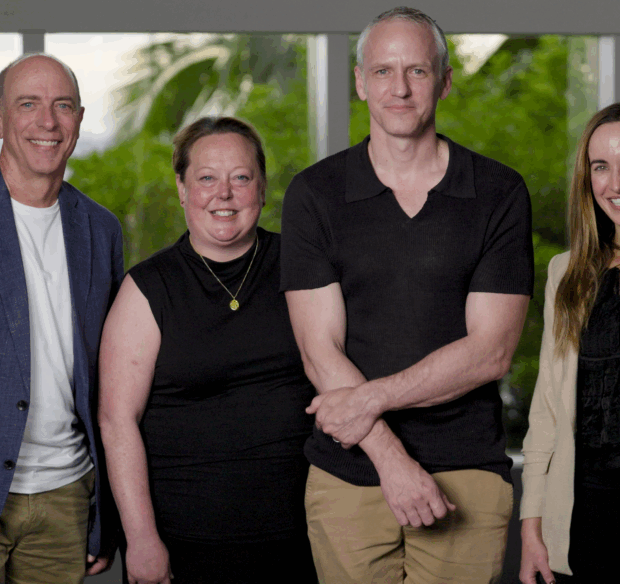
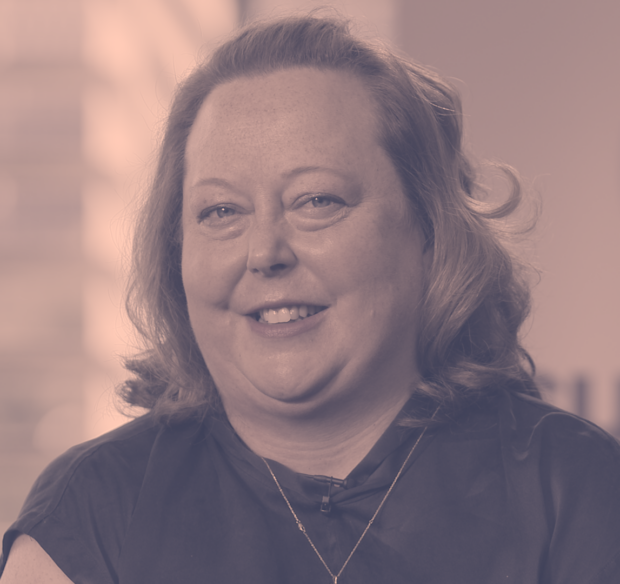
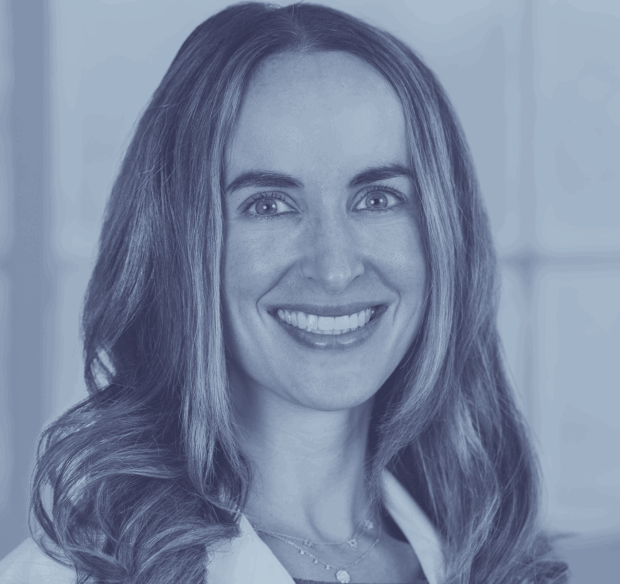
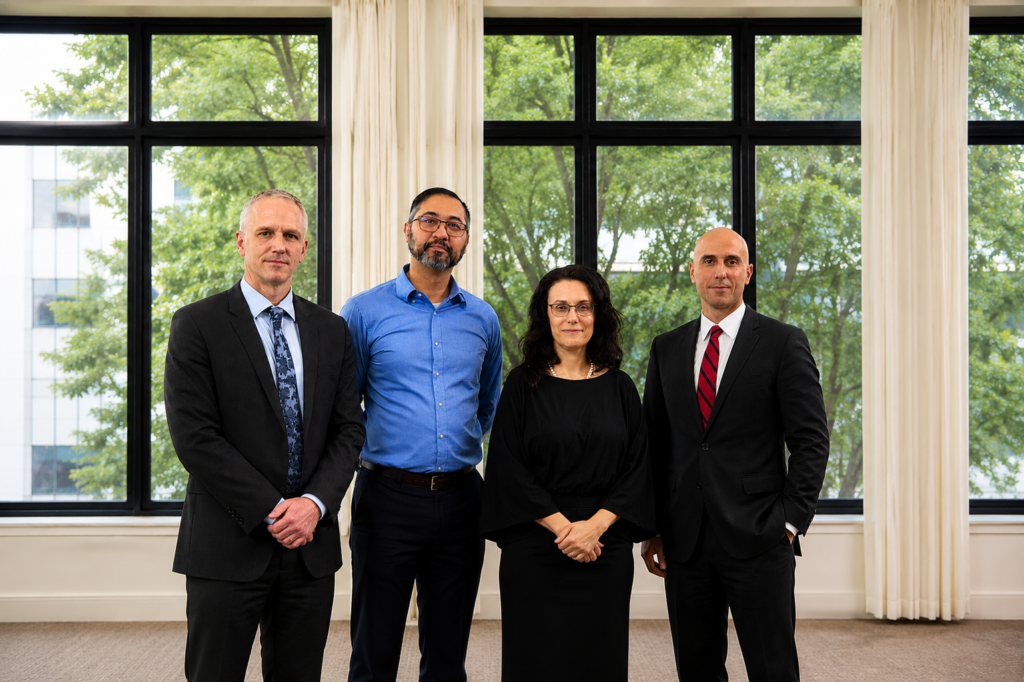
SurvivorNet Connect gathered a panel of experts, moderated by Dr. Rimas Lukas and featuring Dr. Omar Butt, Dr. Nicolas Gonzalez Castro, and Dr. Heather Leeper.
The conversation quickly moved beyond the data toward a more complicated reality. Even as evidence matures, many of the most important clinical questions remain unanswered. While all four panelists agree the updated data reinforces confidence in IDH inhibition, they repeatedly returned to a central question regarding the right time to intervene.
Should treatment begin shortly after surgery, even when only microscopic disease remains? Or should therapy be deferred until there is visible radiographic growth?
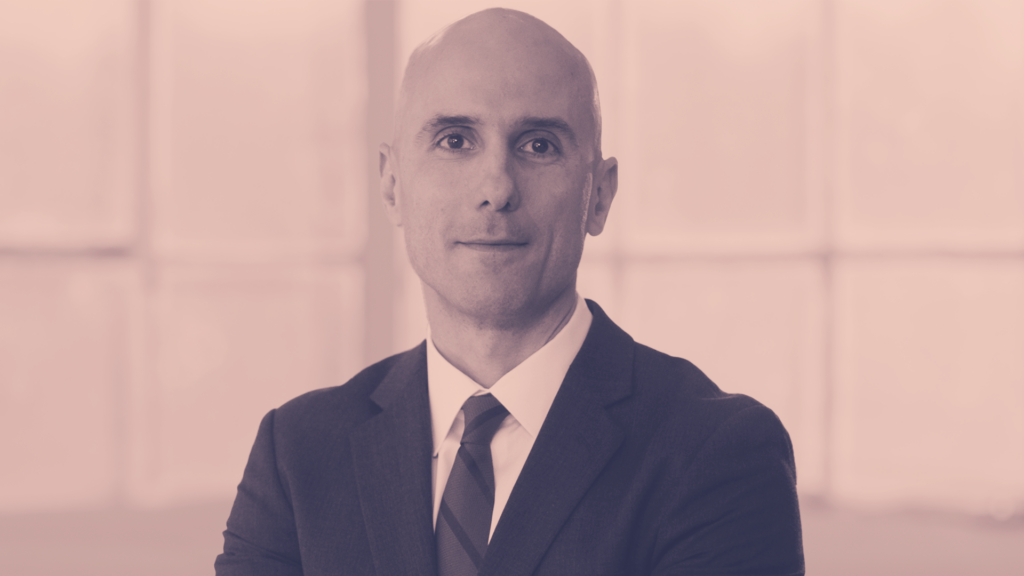
Dr. Nick Gonzalez Castro, Dana Farber Cancer Institute
Dr. Gonzalez Castro points to the issue of remaining disease. “The scale of the scalpel is not the scale of the actual tumor. Even in the hands of our most competent neurosurgical colleagues, we never achieve a complete resection,” he explains.
The debate reflects a fundamental challenge. Surgeons remove what can be seen, but diffuse gliomas often extend far beyond what MRI captures.
The panel didn’t always agree on timing, but Dr. Butt makes a case for moving forward with a newly resected patient.
“If it were the question of would I do it for myself or my family member? Yeah, I’d start the drug,” he explains.
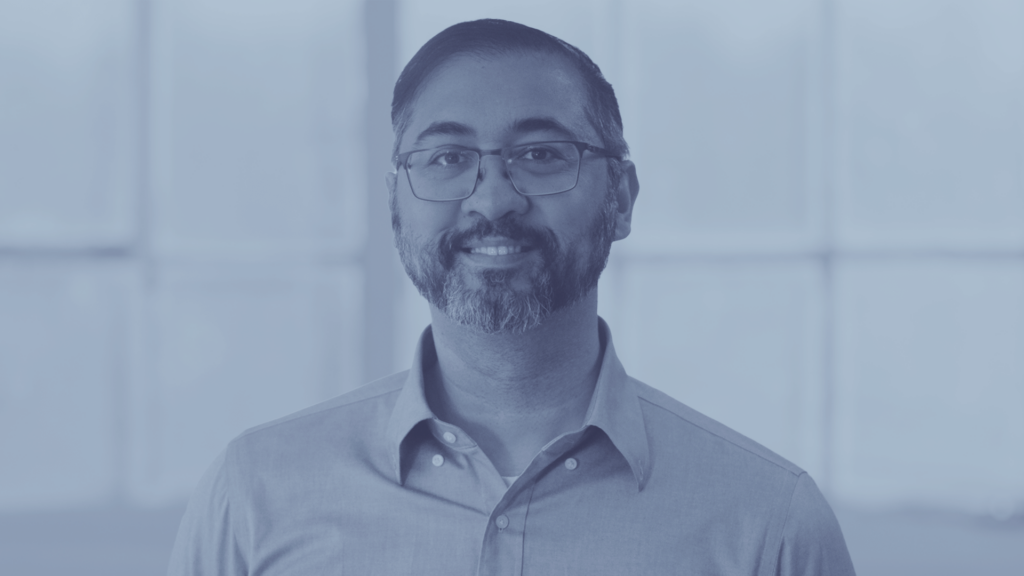
Dr. Omar Butt, WashU Medicine
The uncertainty becomes even more consequential in younger patients who may live with these tumors for decades.
“This is a very complex and fairly nebulous landscape,” Dr. Lukas says, adding that “it leaves a lot of room for debate.”
The ‘Quality of Life’ Factor
The panel also touched on how decisions increasingly involve factors beyond tumor control: fertility, family planning, quality of life, financial toxicity, and patient preference.
Seizure control emerged as one of the panel’s most grounded points of agreement.
“When people have a lot of seizures, they can’t drive, they can’t go to work. It’s a huge factor in their social roles and their ability to function in everyday life,” Dr. Leeper explains.

Dr. Heather Leeper, University of Chicago Medical Center
Dr. Lukas adds that in his own practice, “a flurry of seizure activity may be enough to push me” toward starting treatment, which serves as a clinical tipping point that the trial data alone doesn’t capture.
Dr. Gonzalez Castro entirely reframes the question of medication burden.
“The reality is that most of these patients came to our attention because they were diagnosed after a seizure. All of them are already taking a daily medication [in some cases] twice a day. So I don’t think adding an IDH inhibitor is an increased burden,” he explains.
Looking Ahead
The discussion also looked beyond INDIGO and toward the next phase of IDH-directed therapy. The question is no longer whether IDH inhibition works, but how it fits into broader treatment strategies, including combinations with immunotherapy and vaccines, particularly in higher-grade disease, where monotherapy may not be sufficient.
The broader takeaway is that neuro-oncology is entering a new era where the conversation has shifted from proving that targeted therapies work to determining how best to use them. Many of the most consequential decisions remain nuanced, individualized, and still evolving.