Making Treatment Decisions In The New Glioma Treatment Era
- It’s been a year since the approval of vorasidenib as the first targeted therapy for glioma, and there are ongoing debates about treatment strategy.
- Doctors are grappling with issues regarding the timing of when to use it, how to sequence the treatment, and who benefits from these advances.
- Panelists emphasized the need for personalized decision-making, noting that long-term outcomes, tolerability, and survival benefits of the drug remain unclear because the INDIGO trial allowed substantial crossover from placebo to vorasidenib, blurring overall survival data.
- Longitudinal trials in glioma can span decades, posing challenges for researchers, healthcare systems, and pharmaceutical investment—yet the commitment to progress remains strong.
Many questions remain unanswered a year removed from the approval of a groundbreaking treatment for glioma. SurvivorNet convened a panel of leading neuro-oncology experts to address treatment strategies for vorasidenib, the first targeted therapy for glioma.
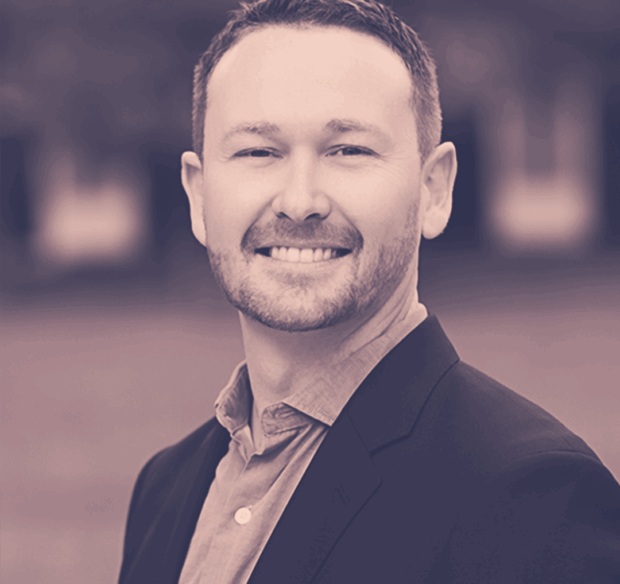
Dr. Erik Sulman, head of radiation oncology at Duke University School of Medicine, underscored the significance of this moment.

Dr. Erik Sulman
“It’s the first time in glioma treatment that we’ve had a targeted therapy. That alone is unprecedented. Whether we’re debating when to give it or who should receive it, the fact that it exists changes everything,” Dr. Sulman said to the group.
Yet with innovation comes complexity. The panelists agreed that while vorasidenib offers promise, its long-term impact is still unclear—and the path forward demands careful, personalized decision-making.
Dr. Jennie Taylor
Dr. Jennie Taylor, a neuro-oncologist at UCSF Health, called for caution and deeper understanding.
“Recovery from brain surgery is already a major undertaking. Adding a medication—especially one with known liver toxicity—raises serious questions. We don’t yet know if this drug helps people live longer. That data will take time, and not every patient tolerates it well. The biological impact of long-term use is still unknown. Careers will be built around answering these questions,” Dr. Taylor said.
Dr. Taylor’s remarks highlighted a central tension: the need to balance optimism with scientific rigor, especially when patients face uncertainty about their prognosis and treatment options.
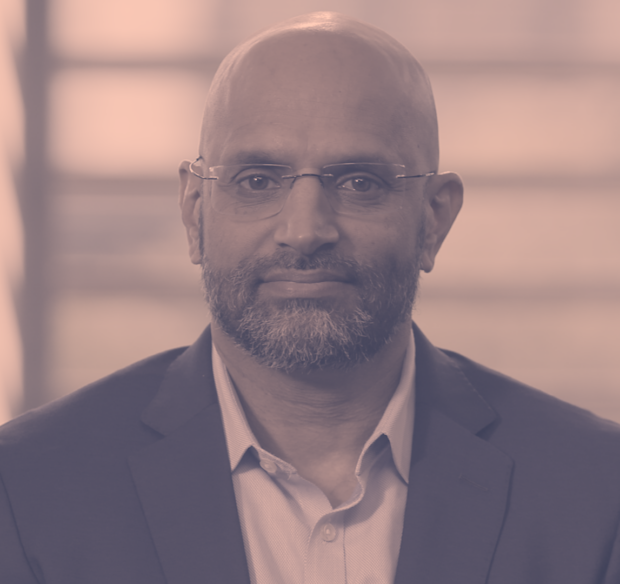
Dr. David R. Raleigh, also from UCSF Health, emphasized the importance of meeting patients where they are.
Dr. David R. Raleigh
“There’s a real heterogeneity in how patients process uncertainty. Some want every resource and data point; others prefer to follow their care team’s lead. As physicians, our job is to help them navigate that space—whatever it looks like,” Dr. Raleigh explained.
Despite the excitement surrounding targeted therapies, the panel acknowledged the sobering reality of clinical research timelines. Dr. Sulman reflected on the long arc of glioma clinical trials.
“Other than the Indigo trial, most studies have taken decades. If we started a trial today, it’s our children who would be reporting the results. That’s a huge challenge—not just for researchers, but for companies and the healthcare system. The patent life of a drug doesn’t always align with the time it takes to get meaningful answers,” Dr. Sulman explained.
The SurvivorNet panel made clear that glioma treatment is entering a new era—one marked by scientific breakthroughs, but also by the need for patience, collaboration, and a deeper understanding of each patient’s journey. As targeted therapies evolve, so too must the systems that support them.